August 31, 2026
Managing home maintenance expenses often requires property owners to look closely at structural efficiency, architectural design, and daily energy consumption patterns. Heating and cooling systems work continuously to maintain indoor comfort, yet significant amounts of conditioned air frequently escape through outdated home features. Property owners often focus on furnace performance or attic insulation depth, but aging frames and deteriorated glass panes remain primary culprits behind escalating utility charges. Upgrading aging structural elements creates a protective shield around living spaces, drastically reducing unnecessary energy loss while establishing steady indoor climate conditions throughout every season. By investing in modern glass installations, property owners can transform overall structural performance, minimize monthly power demands, and enjoy significant financial savings over time. Furthermore, improved building envelopes enhance home value while creating a far more enjoyable environment for occupants. If you're trying to learn more about saving money on your energy bills, contacting a professional is always advisable.
Preventing Unwanted Drafts and Air Leaks
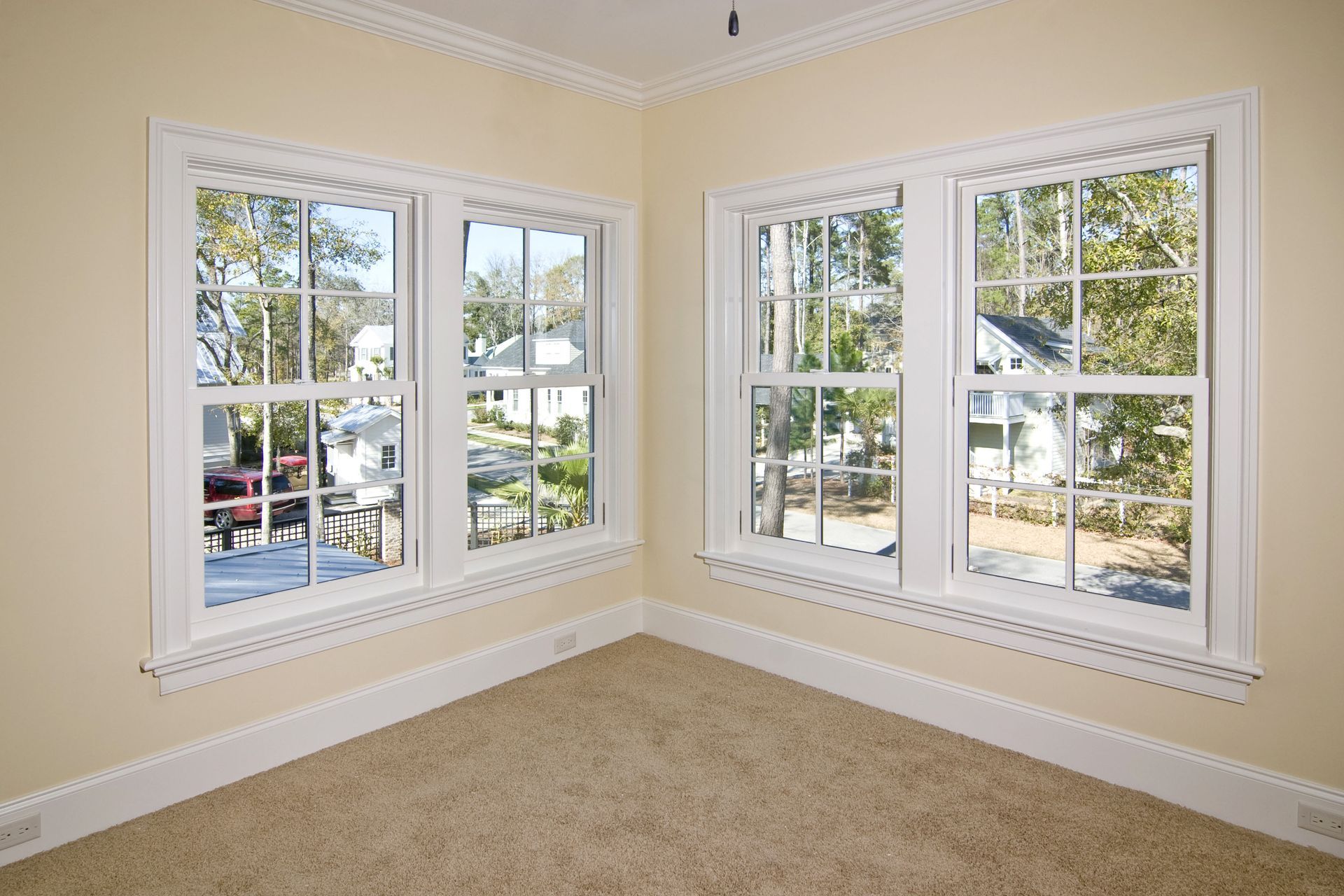
Over time, structural home components naturally experience wear due to weather exposure, shifting foundations, and thermal expansion. Older windows often develop subtle gaps, cracked sealants, and worn weatherstripping that allow unconditioned outdoor air to seep into living areas continuously. As cold winter breezes or humid summer heat penetrate these openings, indoor spaces struggle to maintain stable temperatures, forcing central heating and cooling units to operate far longer than necessary. These continuous drafts create subtle airflow currents within rooms, making seating areas near exterior walls feel uncomfortable despite ongoing climate control efforts. Replacing compromised units eliminates structural gaps, establishing an airtight seal that holds conditioned air inside where it belongs while keeping harsh exterior weather completely at bay. Consequently, rooms remain pleasantly warm during cold weather and comfortably cool during heat waves.
Modern windows utilize advanced weatherstripping, durable frame materials, and precision hardware to form superior barriers against atmospheric infiltration. Contemporary vinyl, wood, and composite frames resist warping, shrinking, and expanding when exposed to severe weather variations, ensuring tight seals remain fully intact across changing seasons. High-quality sealing materials surround the glass perimeter, preventing air exchange along sash edges where leakage traditionally occurs. By blocking unwanted air exchange, new installations stop forced-air systems from cycling continuously, which noticeably stabilizes house temperatures. Eliminating drafty points across living areas ensures that every room stays comfortable, protecting overall indoor comfort while simultaneously reducing unnecessary energy waste. Ultimately, preventing air leakage forms the foundational baseline for achieving comprehensive home efficiency across all seasons.
Regulating Indoor Home Temperatures
Managing heat transfer through transparent glass surfaces plays an essential role in maintaining balanced indoor room temperatures throughout changing seasons. Sunlight streaming through uninsulated clear glass causes solar heat gain during warm months, quickly warming interior living areas and forcing cooling systems to work at maximum capacity. Conversely, winter weather draws warm indoor air toward cool glass surfaces, creating rapid heat loss that makes interior spaces feel chilly. Modern windows resolve these thermal challenges through sophisticated engineering, multi-layer construction, and specialized invisible coatings. According to This Old House, double-pane windows with two layers of glass offer superior insulation. Incorporating advanced reflective coatings further blocks unwanted radiant solar heat during warm months while reflecting interior warmth inside during cold months.
The space created between glass layers serves as an effective thermal buffer, drastically slowing down heat conduction between interior living zones and outdoor weather conditions. Manufacturers often fill these sealed internal cavities with dense inert gases, such as argon, which conduct far less heat than normal atmospheric air. This gas barrier prevents rapid temperature shifts near exterior glass surfaces, effectively maintaining uniform warmth or coolness throughout every room. By minimizing solar radiation in summer and retaining furnace warmth in winter, upgraded home glass keeps interior temperatures steady without requiring constant thermostat adjustments. As a result, living spaces remain consistently comfortable, avoiding extreme temperature fluctuations that cause residential heating and cooling units to consume massive amounts of power.
Reducing HVAC System Strain
Heating, ventilation, and air conditioning systems represent some of the most substantial operational machinery in any residential property. When a home suffers from poor insulation and inefficient exterior windows, climate control equipment must work relentlessly to counteract constant heat transfer and air infiltration. Thermostats detect ongoing temperature fluctuations caused by leakage, triggering heating units and air conditioners to run extended operational cycles. This non-stop performance places heavy mechanical stress on compressors, blowers, fan motors, and heating elements, accelerating equipment wear and increasing the frequency of unexpected mechanical failures. Replacing worn glass barriers allows home climate control systems to operate under vastly reduced workloads, cycling on less frequently and running for shorter periods to maintain target temperatures.
Lowering operational demands directly extends the functional lifespan of costly heating and cooling machinery, saving property owners substantial money on premature equipment replacements and repairs. When climate control units operate within normal design parameters rather than continuous stress, internal components experience significantly less friction, thermal breakdown, and mechanical deterioration over time. Additionally, reduced system operation decreases total power consumption, preventing sudden energy spikes that drive up operational utility expenses during peak heating and cooling seasons. Protecting central heating and air units from constant overuse creates a smoother running home environment, where equipment operates quietly, efficiently, and reliably for many years without requiring frequent technical intervention or costly emergency service calls.
Lowering Monthly Utility Expenses
The financial benefits of upgrading structural glass become immediately evident when evaluating monthly power bills and seasonal energy statements. Inefficient exterior glass allows valuable heated or cooled air to escape continuously, meaning a substantial portion of monthly utility payments essentially pays for wasted energy. Installing modern, highly insulated windows creates an effective thermal envelope that retains indoor conditioning, allowing thermostats to maintain desired settings without excess energy consumption. Over time, the cumulative drop in power and natural gas usage creates steady, reliable reductions in recurring energy costs across every month of the year. These continuous utility savings help offset installation investments, offering long-term economic returns while keeping monthly household operational expenses far lower.
Beyond direct utility bill reductions, upgrading exterior glass enhances overall property value and delivers widespread economic benefits across the entire home. Properties featuring modern, energy-efficient building materials attract strong interest from future buyers who value lower operational costs and modern structural components. Enhanced insulation also reduces sound transmission from outside, creating a quieter, more tranquil indoor environment that increases daily living quality. Furthermore, decreasing household energy consumption reduces overall carbon emissions associated with power generation, allowing property owners to contribute positively to environmental sustainability goals. Combining lower utility bills, increased property value, superior quietness, and reduced environmental impact makes upgrading home windows a remarkably practical home improvement.
Upgrading outdated exterior glass remains a remarkably impactful choice property owners can make to improve residential efficiency, lower monthly energy expenses, and create a consistently comfortable living environment throughout every season. By eliminating irritating drafts, stabilizing room temperatures, and taking immense mechanical stress off heating and cooling systems, modern glass upgrades deliver reliable financial return while reducing overall household power consumption. Investing in high-performance building materials protects structural integrity and enhances overall home value for years to come. To begin transforming home efficiency and lowering utility bills with expert guidance and premium products, contact Lake Lumber Co today. We look forward to hearing from you!