July 25, 2026
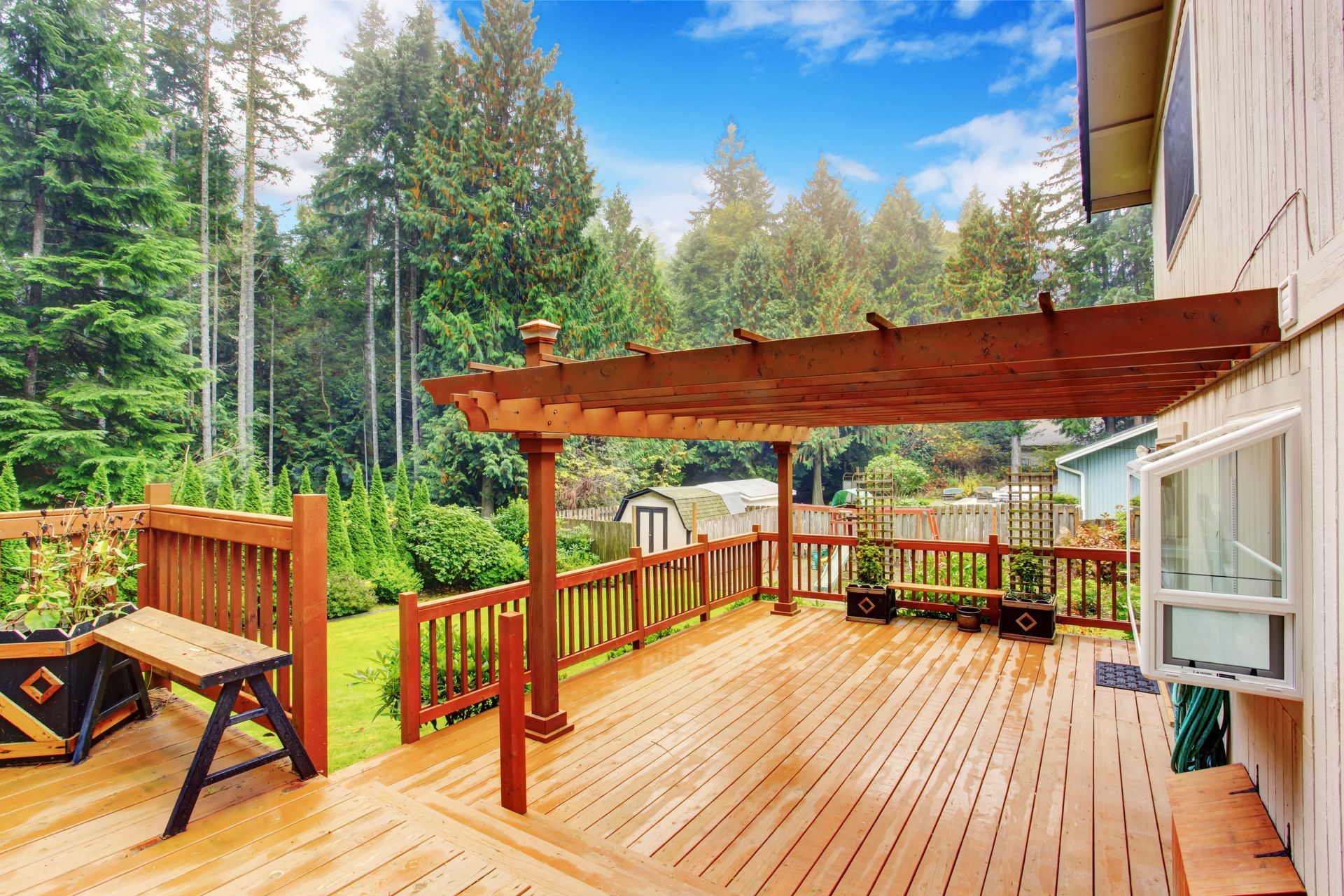
Creating a functional outdoor living space requires careful planning. Homeowners seek environments that provide comfort during warm summer months. The foundation of any project lies in choosing appropriate decking materials. The selection dictates longevity, maintenance requirements, and visual appeal. Weather conditions dictate the necessity for durable boards that resist fading and moisture damage. A strong foundation transforms a simple backyard into a sophisticated retreat.
Evaluating options involves balancing upfront costs with long-term value. Sun exposure and rain impact surface integrity over seasons. Selecting the right foundation ensures structural stability and aesthetic satisfaction. Builders recommend comparing natural and synthetic options before making final decisions. A researched approach guarantees a finished project that withstands the elements and enhances property value. Informed homeowners consider environmental impact, maintenance schedules, and safety features.
Evaluating the Merits of Natural Wood
Traditional lumber remains a popular choice among decking materials. Cedar and redwood offer natural beauty and rich color profiles. These woods contain innate tannins that resist rot and insect damage. The authentic grain patterns provide a classic look that synthetic options attempt to mimic. Hardwoods like ipe deliver superior density and scratch resistance for high-traffic areas. The organic nature of wood complements natural landscapes.
Maintaining wood requires consistent effort. Homeowners must apply stains and sealers to prevent graying and moisture absorption. Without proper upkeep, boards splinter, warp, and degrade. The maintenance cycle demands dedicated time and financial investment to preserve structural integrity. Ignoring these requirements leads to premature replacement and safety hazards. Moisture penetration causes wood fibers to expand and contract, weakening fasteners. Those committed to preservation find the effort rewarding.
Safety remains paramount in structural design. According to This Old House, it is required in many areas for decks to have railings if their surface is 30 inches or more off the ground. Wood provides excellent structural support for these safety barriers. Installers secure wooden posts with heavy-duty hardware to meet local building codes. Sturdy railings prevent accidents and provide peace of mind for families.
Environmental considerations play a role in selecting wood. Sustainable forestry practices ensure renewable lumber sources. Certification programs verify responsible harvesting methods. Some homeowners prefer natural products over plastic alternatives due to inherent biodegradability. Chemical treatments used in pressure-treated pine raise environmental concerns regarding soil contamination. Eco-conscious buyers seek untreated cedar or thermally modified timber. Balancing ecological impact with structural needs guides responsible consumer choices.
Assessing the Advantages of Composite Boards
Synthetic blends represent a modern evolution in decking materials. Manufacturers combine wood fibers with recycled plastics to create dense, durable boards. This mixture eliminates the common pitfalls of traditional lumber, such as rot and splintering. The surface resists stains, fading, and mold growth. Innovative manufacturing techniques produce realistic wood grain textures. The fusion of elements creates a solid core that withstands impacts.
Low maintenance appeals to busy homeowners. Composite boards require simple soap and water cleaning to maintain pristine appearances. The lack of sanding, staining, or sealing saves considerable time. While upfront costs exceed pressure-treated wood, long-term savings in maintenance supplies offset the initial investment. The boards retain color despite prolonged sun exposure. Mud and food spills wipe away without leaving permanent marks. Busy families appreciate avoiding tedious upkeep.
Heat retention presents a challenge for synthetic boards. Darker colors absorb solar energy, making the surface warm during peak afternoon hours. Homeowners in hot climates prefer lighter shades to mitigate this issue. Some brands incorporate cooling technology to reflect sunlight. Selecting appropriate colors ensures bare feet remain comfortable during the summer months. Shaded areas mitigate heat absorption, improving overall comfort. Strategic landscaping provides natural cooling effects.
Installation involves specific techniques and hardware. Hidden fastener systems create a smooth, unblemished surface devoid of visible screws. The boards expand and contract with temperature changes, necessitating precise gap spacing during construction. Experienced builders follow manufacturer guidelines to prevent buckling. Proper installation guarantees a flawless finish that lasts for decades. Specialized tools ensure precise cuts and tight joints. The uniform board dimensions simplify the layout process.
Analyzing the Strengths of Polyvinyl Options
Cellular PVC stands out among premium decking materials. These boards consist of synthetic polymers without organic wood content. The absence of wood fibers renders the material impervious to moisture and insect damage. PVC excels in wet environments like pool surrounds and coastal properties. The core structure remains lightweight yet rigid. Installers handle the boards with ease due to reduced weight. The synthetic makeup guarantees immunity to mold.
Durability ranks high for polyvinyl structures. The boards resist severe impacts and heavy loads without denting. Advanced capping technology provides a protective outer shell that shields against UV rays. Scratches remain imperceptible due to the resilient exterior. The material outlasts most alternatives and maintains structural integrity through harsh winters and blazing summers. Spilled chemicals and severe weather fail to degrade the durable surface.
Color fastness distinguishes PVC from competitors. Pigments sit within the polymer matrix, preventing the chalky fading associated with older plastics. Manufacturers offer diverse palettes ranging from rich earth tones to modern grays. The vibrant hues elevate the aesthetic of outdoor spaces. The visual appeal endures without topical treatments. Streaks and variegation mimic exotic hardwoods with stunning accuracy. Matching fascia boards complete the polished appearance.
Cost considerations influence the final choice. PVC occupies the upper tier of pricing structures. Budget-conscious homeowners face hurdles when funding large installations. The return on investment manifests in longevity and nonexistent maintenance costs. Property owners view the expenditure as a permanent home upgrade. The sheer performance justifies the premium price tag. Financing options make premium materials accessible to wider demographics. The absence of replacement costs proves advantageous.
Reviewing the Benefits of Aluminum Structures
Metal represents an unconventional yet superior category of decking materials. Aluminum boards provide unmatched strength and longevity compared to organic and plastic counterparts. The interlocking design creates a watertight surface, keeping the area below dry. The rigid metal spans longer distances between joists, requiring a reduced structural framework. The seamless connections prevent debris from falling between gaps. Property owners utilize the dry space underneath for additional storage.
Fire resistance offers a major advantage in dry regions. Aluminum does not ignite or contribute to flame spread. Communities prone to wildfires mandate non-combustible building materials. Metal boards satisfy stringent fire codes and enhance property safety. The protection achieved justifies the alternative material choice. Flying embers pose no threat to the metallic surface. Insurance companies recognize the mitigated risk associated with non-combustible structures.
Contrary to common assumptions, aluminum stays cool under direct sunlight. The metal pulls heat from the surface, maintaining comfortable temperatures. Homeowners walk barefoot without discomfort. A textured powder coating provides slip resistance even during rain. The finish resists chipping, peeling, and fading in harsh weather. The powder-coated exterior withstands heavy foot traffic without showing wear. The thermal properties outshine dense synthetic boards in arid climates.
Sound dampening remains a concern for metal surfaces. Walking on aluminum produces a distinct sound compared to wood. Manufacturers apply specialized coatings and inserts to minimize acoustic resonance. When installed with proper fasteners, the boards remain quiet and stable. The industrial aesthetic appeals to modern architectural designs. The sleek lines complement contemporary homes and urban landscapes. Custom colors allow integration with existing exterior palettes.
Selecting the ideal decking materials dictates the success of summer outdoor living spaces. Every option carries distinct strengths and specific drawbacks. Natural lumber provides timeless beauty but demands rigorous upkeep. Composite boards offer practical, low-maintenance solutions while mimicking organic textures. PVC excels in ultimate durability and moisture resistance. Aluminum brings unmatched structural integrity and fire protection to modern homes. Evaluating these attributes ensures a tailored fit.
Homeowners must weigh budget constraints against long-term maintenance commitments. Sun exposure, local climate, and aesthetic preferences guide the final decision. Evaluating these distinct categories empowers property owners to build enduring foundations. The resulting outdoor spaces provide comfort, beauty, and functional enjoyment for countless seasons. Careful consideration yields a magnificent summer retreat ready for endless relaxation. If you are ready to build the perfect summer retreat, we invite you to visit us at Lake Lumber Co. today. We would love to help you explore our selection of decking materials and find the ideal match for your outdoor living space.