October 28, 2026
Choosing the right windows for your home involves balancing energy efficiency, appearance, ventilation, and ease of use. Double-pane and sliding windows are popular options, but they serve different purposes and can offer distinct advantages depending on your home's design. Understanding how each style works can help you make a confident decision that supports your comfort and long-term home improvement goals.
Windows influence more than the amount of natural light entering a room. They can affect indoor temperatures, outdoor noise, maintenance requirements, and the overall appearance of your property. Before selecting a replacement, consider how you use each room, the local climate, and the features that matter most to your household.
Understand How Double-Pane Windows Work
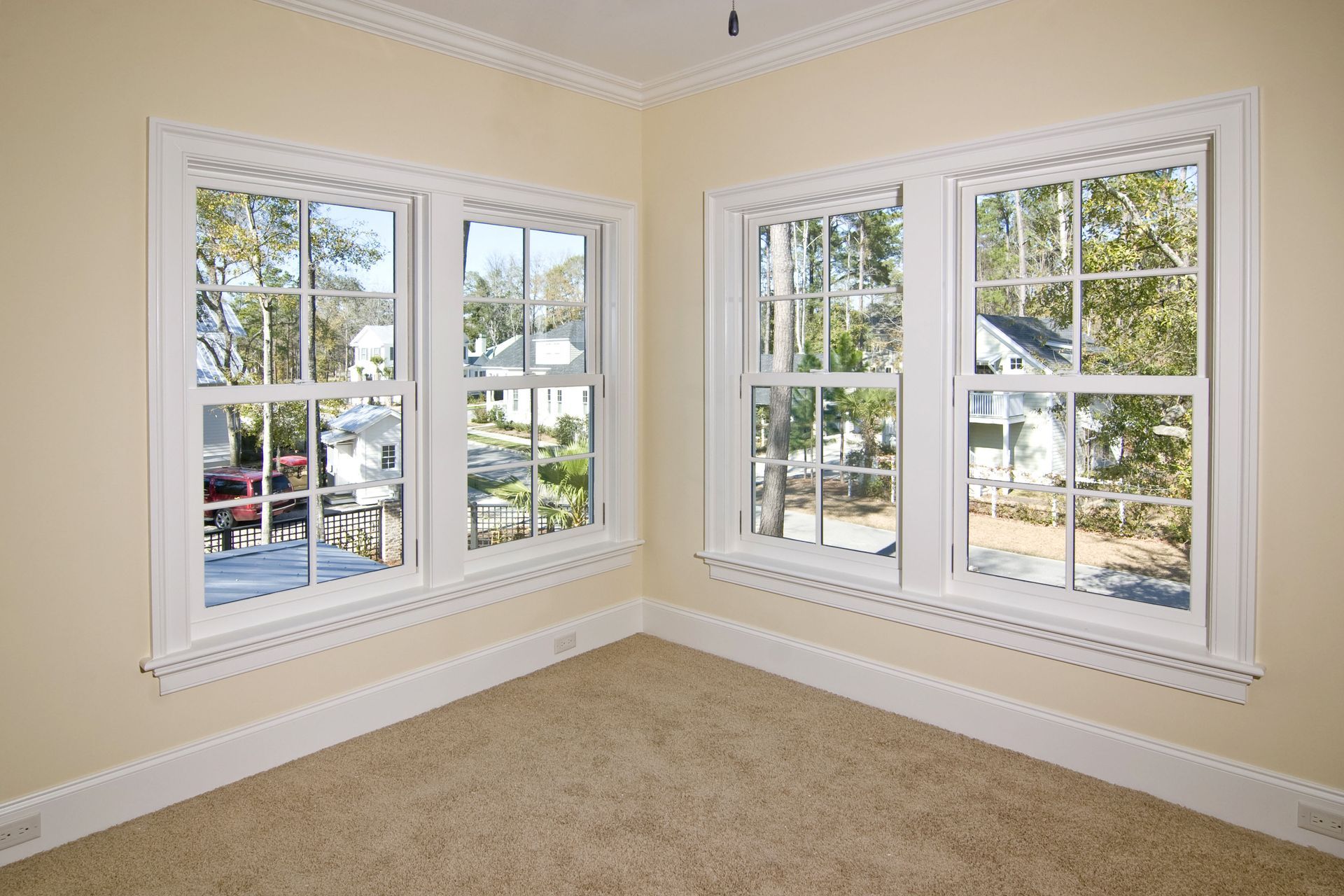
Double-pane windows feature two panes of glass separated by a sealed space. This space typically contains air or an insulating gas that slows heat transfer between the indoor and outdoor environments. The design helps maintain more consistent indoor temperatures while reducing the impact of outdoor weather conditions.
This construction can make double-pane windows a practical choice for homeowners who want to improve energy efficiency. During colder weather, the insulated space helps reduce heat loss, while warmer conditions can make limiting unwanted heat gain especially valuable. The overall performance depends on the glass, frame, seals, and installation quality.
Another advantage is sound reduction. Although double-pane windows do not eliminate all exterior noise, their construction can help reduce sounds entering the home. This may be beneficial for properties near busy roads, active neighborhoods, or other sources of outdoor noise.
When shopping for replacement windows, consider the quality of the entire unit rather than focusing exclusively on the glass. Frame materials, weatherstripping, and proper installation all contribute to performance.
Explore the Benefits of Sliding Windows
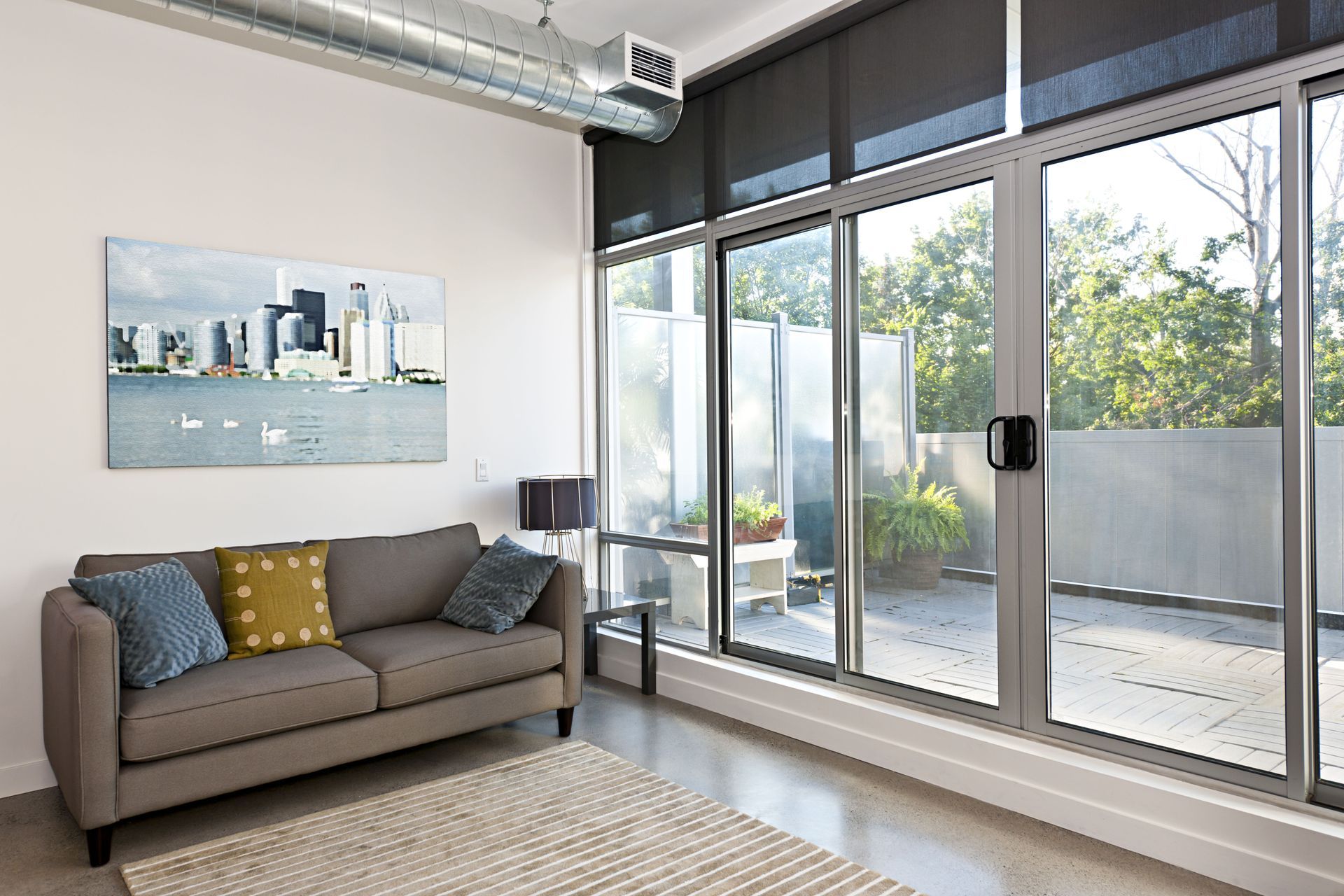
Sliding windows operate horizontally along a track, allowing a sash to move sideways to open or close the window. Their straightforward operation makes them convenient for homeowners who want accessible ventilation without the outward or inward movement required by some other window styles.
These windows can work particularly well in rooms with wide wall openings. Their horizontal design creates a broad view of the outdoors and can help bring natural light into living rooms, kitchens, bedrooms, and other spaces. The clean appearance also complements many contemporary and traditional home designs.
Convenience is another appealing feature. Because sliding sashes move along tracks, they do not require clearance for a window to swing open. This can be useful when furniture, landscaping, walkways, or outdoor features are positioned near the window.
However, sliding windows require attention to track cleanliness and hardware condition. Dirt and debris can interfere with smooth operation, while worn seals may affect insulation and weather resistance. Regular cleaning and maintenance help preserve functionality and keep the window operating as intended.
Compare Energy Efficiency and Insulation
Energy efficiency is an important consideration when choosing replacement windows. Double-pane construction provides an insulating barrier that can reduce heat transfer, helping homeowners maintain comfortable indoor conditions while potentially reducing heating and cooling demands.
Sliding windows can also feature double-pane glass. This means the choice between these options is not necessarily a decision between insulation and convenience. Instead, homeowners should distinguish between the glazing configuration and the window's opening mechanism when comparing products.
Look for energy-performance information when evaluating available options. Low-emissivity coatings can help control heat transfer, while insulated frames and quality weather seals can further improve overall performance. Energy ratings provide useful information for comparing products suited to different climates and household needs.
Proper installation matters just as much as product selection. Gaps around the frame can allow drafts and moisture to enter, undermining the benefits of an otherwise efficient window. Working with knowledgeable professionals can help ensure the selected windows fit properly and perform as expected.
Evaluate Maintenance and Long-Term Durability
Window maintenance affects convenience and long-term ownership costs. Double-pane windows generally require routine cleaning, inspection of seals, and attention to the surrounding frame. If the seal between the panes fails, condensation may develop inside the glass assembly, potentially requiring professional repair or replacement.
Sliding windows have additional moving components that deserve attention. Tracks should remain free of dirt and debris, and rollers should move smoothly. Checking weatherstripping and inspecting the locking mechanism can help identify developing problems before they interfere with operation or security.
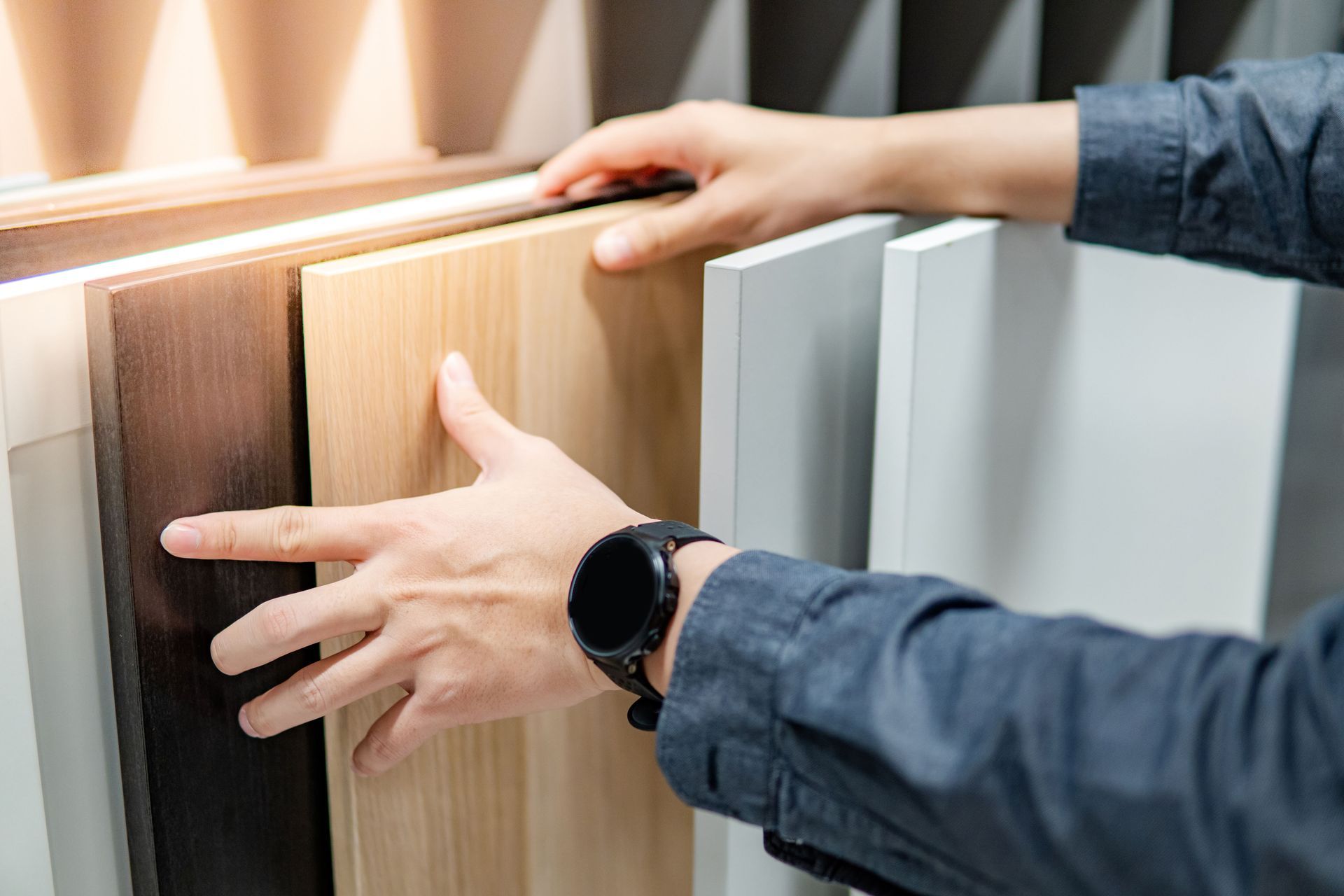
Material selection also influences durability. Choosing the right frame building material—such as vinyl, wood, fiberglass, or aluminum—plays a major role in maintenance, appearance, insulation, and resistance to environmental conditions. The best option depends on your priorities and the demands of your home's location.
According to IBISWorld, the Lumber & Building Material Stores industry in the U.S. supports a substantial workforce, employing 304,217 people. This highlights the role that suppliers play in connecting homeowners and contractors with the products needed for construction, renovation, and ongoing property maintenance.
Regular care can extend a window's useful life and help preserve its appearance. Following manufacturer recommendations and addressing minor problems promptly can prevent avoidable wear and help maintain dependable operation.
Match Window Styles to Your Home
Your home's architectural style can influence which windows look and function best. Sliding windows often complement contemporary designs because of their broad glass areas and streamlined appearance. They can also work well in traditional homes when their frame style, finish, and proportions suit the surrounding architecture.
Double-pane windows are available in many configurations, including sliding, casement, awning, and double-hung styles. Their insulating glass construction can therefore accommodate different design preferences without requiring homeowners to sacrifice energy-conscious features.
Consider the purpose of each room when making a selection. A living room may benefit from expansive views and generous daylight, while a bedroom may require a combination of ventilation, privacy, and noise reduction. Kitchen windows may need to be easy to operate and simple to clean.
Exterior appearance deserves consideration as well. Frame colors, grille patterns, and window proportions can influence curb appeal. Coordinating replacements with existing siding, trim, and architectural features can create a cohesive look while helping updated windows feel like a natural part of the home.
Think about future maintenance and renovation plans, too. Choosing windows that complement the home's existing features may simplify future exterior updates and help maintain a consistent design.
Make the Right Choice for Your Needs
The best window choice depends on your priorities rather than a single feature. If insulation and indoor comfort are your primary concerns, compare the performance ratings of double-pane options. If you value straightforward operation, wide views, and space-saving functionality, sliding windows may be an appealing solution.
Remember that these categories can overlap. A sliding window can incorporate double-pane glass, combining horizontal operation with improved insulation.
Budget is another consideration. Purchase prices vary according to frame material, dimensions, glazing features, finishes, and installation complexity. Rather than selecting solely by initial cost, evaluate expected performance, maintenance requirements, and the value of professional installation.
Before committing to a purchase, measure the available opening, identify any existing damage, and consider ventilation requirements. Consulting an experienced supplier or contractor can help clarify which configurations are appropriate for your property and whether additional work may be necessary.
Ultimately, a successful window upgrade should support your home's comfort, functionality, and appearance. Taking time to compare construction, operation, energy performance, and maintenance needs will help you select an option that aligns with your goals.
Whether you are planning a complete window replacement or updating a specific room, start by exploring suitable products and discussing your project's requirements with a knowledgeable supplier. Contact Lake Lumber Co. to explore your window and building supply options and take the next step toward a more comfortable, attractive home.